- Power Outages
Power Outages
- Contractor Information
Contractor Information
-
ContactContact Information
REPORT A FAULT 24/7: 0800 808 587
Email: General Enquiries Online Form
(Please do not log faults via email, use the 0800 number above)Address - REPORT A FAULT 24/7: 0800 808 587
- About usAbout us
- Networks we manageNetworks we manage
- The Power Company LtdThe Power Company Ltd
- Company information and Current ProjectsCompany information and Current Projects
- Board of DirectorsBoard of Directors
- Southland Power Trust (SEPSCT)Southland Power Trust (SEPSCT)
- Statements of intentStatements of intent
- Annual reportsAnnual reports
- DisclosuresDisclosures
- TPCL Price DiscountTPCL Price Discount
- Company information and Current Projects
- Electricity Invercargill LimitedElectricity Invercargill Limited
- Company informationCompany information
- Board of DirectorsBoard of Directors
- Statements of intentStatements of intent
- Annual reportsAnnual reports
- DisclosuresDisclosures
- Newsletters and advertorialsNewsletters and advertorials
- Pylon Limited informationPylon Limited information
- Company information
- OtagoNetOtagoNet
- Company informationCompany information
- Board of DirectorsBoard of Directors
- DisclosuresDisclosures
- Newsletters and advertorialsNewsletters and advertorials
- Company information
- Lakeland Network LtdLakeland Network Ltd
- Company informationCompany information
- Board of DirectorsBoard of Directors
- DisclosuresDisclosures
- Company information
- The Power Company Ltd
- ShareholderShareholder
- The Power Company LimitedThe Power Company Limited
- The Power Company Limited
- NewsNews
- Archived newsArchived news
- Archived news
- Vision & valuesVision & values
- Customer CharterCustomer Charter
- PowerNet’s Board of DirectorsPowerNet’s Board of Directors
- Senior leadership teamSenior leadership team
- Our service providersOur service providers
- InvestmentsInvestments
- Southland Warm Homes TrustSouthland Warm Homes Trust
- Annual reportsAnnual reports
- Supporting St John in Southern CommunitiesSupporting St John in Southern Communities
- PowerNet electrical engineers’ scholarshipsPowerNet electrical engineers’ scholarships
- Across the lines newslettersAcross the lines newsletters
- PoliciesPolicies
- Networks we manage
- Get ConnectedGet Connected
- ResidentialResidential
- ICP and Meter InformationICP and Meter Information
- Commercial and Industrial ConnectionsCommercial and Industrial Connections
- I want to generate my own electricityI want to generate my own electricity
- Pioneer SchemesPioneer Schemes
- Time of UseTime of Use
- Residential
- Working near cables & linesWorking near cables & lines
- Plan before you plantPlan before you plant
- Power lines on private property (customer owned lines)Power lines on private property (customer owned lines)
- Cable locationsCable locations
- Temporary disconnectionTemporary disconnection
- Contractor informationContractor information
- Network mapNetwork map
- Plan before you plant
- Future energyFuture energy
- Energy efficiencyEnergy efficiency
- Smart energy homeSmart energy home
- Smart energy home
- Electric vehicles (EVs)Electric vehicles (EVs)
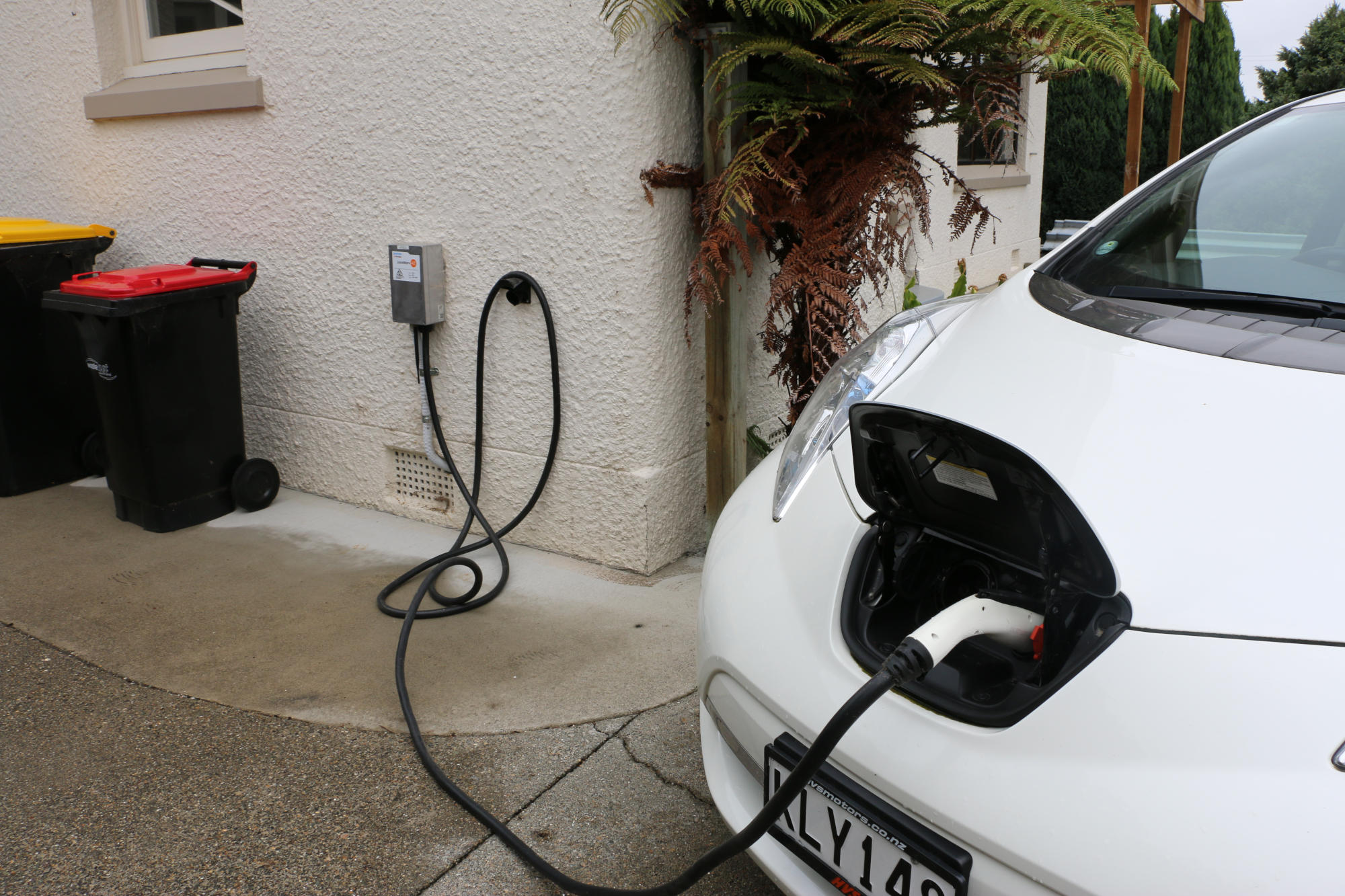
- EV chargersEV chargers
- EV chargers
- Generation and storageGeneration and storage
- I want to generate my own electricityI want to generate my own electricity
- SolarSolar
- WindWind
- BatteriesBatteries
- InvertersInverters
- I want to generate my own electricity
- MicrogridsMicrogrids
- Rowallan microgridRowallan microgrid
- Rowallan microgrid
- DecarbonisationDecarbonisation
- Smart metersSmart meters
- Energy efficiency
- Trees & electricity safetyTrees & electricity safety
- TreesTrees
- Plan before you plantPlan before you plant
- RegulationsRegulations
- Tree owner responsibilitiesTree owner responsibilities
- PowerNet’s responsibilitiesPowerNet’s responsibilities
- Approved contractorsApproved contractors
- Plan before you plant
- General public safetyGeneral public safety
- Keeping safe at homeKeeping safe at home
- Keeping safe at home
- Farm safetyFarm safety
- Electrical hazardsElectrical hazards
- Power lines on private property (customer owned lines)Power lines on private property (customer owned lines)
- Working near cables & linesWorking near cables & lines
- Trees
- Current ProjectsCurrent Projects
- Awarua Network ProjectAwarua Network Project
- Hokonui Line | A Sustainable Energy InitiativeHokonui Line | A Sustainable Energy Initiative
- Other ProjectsOther Projects
- Awarua Network Project
- CareersCareers
- DisclosuresDisclosures
- The Power Company LtdThe Power Company Ltd
- Asset management plansAsset management plans
- Information disclosure statementsInformation disclosure statements
- Default priceDefault price
- Service performance and consolidated financial statementsService performance and consolidated financial statements
- Line pricing methodologyLine pricing methodology
- Loss factor calculationLoss factor calculation
- Disclosure of prescribed T&C’s of contractsDisclosure of prescribed T&C’s of contracts
- Distributor pricing roadmapDistributor pricing roadmap
- Default distributor agreementDefault distributor agreement
- Discount methodologyDiscount methodology
- All line chargesAll line charges
- Loss codesLoss codes
- Transpower Residue Payments MethodologyTranspower Residue Payments Methodology
- ExemptionsExemptions
- Asset management plans
- Electricity Invercargill LimitedElectricity Invercargill Limited
- Asset management planAsset management plan
- Information disclosure statementsInformation disclosure statements
- Default price-quality pathDefault price-quality path
- Line pricing methodologyLine pricing methodology
- Loss factor calculationLoss factor calculation
- Disclosure of prescribed T&C’s of contractsDisclosure of prescribed T&C’s of contracts
- Distributor pricing roadmapDistributor pricing roadmap
- Default distributor agreementDefault distributor agreement
- All line chargesAll line charges
- Loss codesLoss codes
- Transpower Residue Payments MethodologyTranspower Residue Payments Methodology
- Asset management plan
- OtagoNetOtagoNet
- Asset management planAsset management plan
- Information disclosure statementsInformation disclosure statements
- Default price-quality pathDefault price-quality path
- Line pricing methodologyLine pricing methodology
- Loss factor calculationLoss factor calculation
- Disclosure of prescribed T&C’s of contractsDisclosure of prescribed T&C’s of contracts
- Distributor pricing roadmapDistributor pricing roadmap
- Default distributor agreementDefault distributor agreement
- All line chargesAll line charges
- Loss codesLoss codes
- Transpower Residue Payments MethodologyTranspower Residue Payments Methodology
- Asset management plan
- Lakeland NetworkLakeland Network
- Default distributor agreementDefault distributor agreement
- All line chargesAll line charges
- Loss codesLoss codes
- Transpower Residue Payments MethodologyTranspower Residue Payments Methodology
- Default distributor agreement
- The Power Company Ltd